
The first eight years of a child’s life are not just the beginning of education. They are the foundation on which almost everything else is built. During these early years, children learn how to think, speak, listen, move, question, connect, and respond to the world around them. They begin to form habits, attitudes, emotional patterns, and learning behaviours that often stay with them for life.
This is why early childhood and primary education cannot be treated as simple or basic teaching. In reality, it requires some of the most skilled educators in the entire education system. Young children may look easy to teach because their lessons seem simple, but the work behind them is deeply complex. A teacher working with young learners is not only teaching the alphabet, numbers, colours, or stories. They are shaping curiosity, confidence, communication, self-control, empathy, and independence.
For parents, school leaders, and aspiring educators, this raises an important question. If the early years are so important, are children getting the quality of teaching they truly need?
The Brain Develops Rapidly in the Early Years
The first eight years are a period of fast brain development. Children absorb language, behaviour, emotion, and patterns of thinking at a remarkable speed. Their brains are highly responsive to experiences, which means the quality of interaction they receive matters greatly.
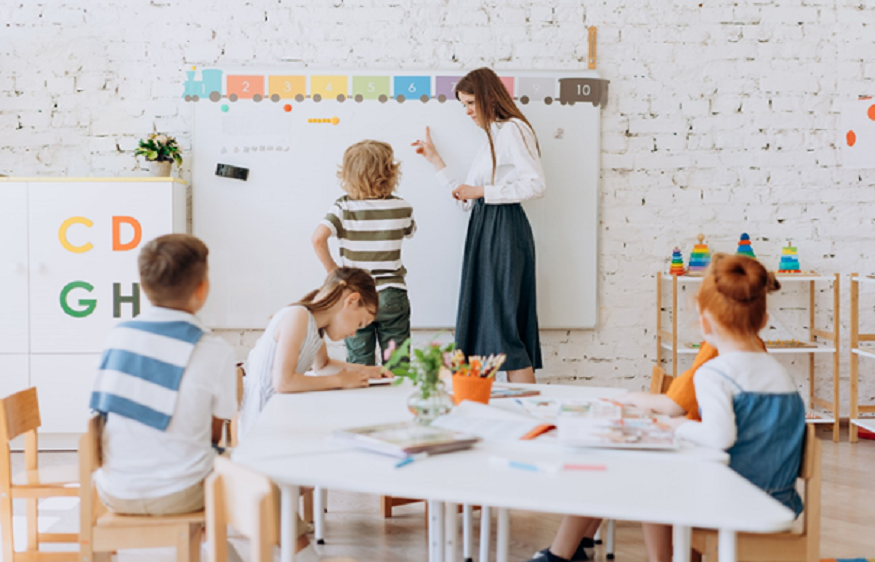
A caring, skilled educator knows how to turn simple classroom moments into powerful learning experiences. A story session becomes a chance to build vocabulary and imagination. A group activity becomes a lesson in sharing and social skills. A counting game becomes the beginning of logical thinking. Even play becomes a structured opportunity for discovery.
However, this only happens when educators understand child development. Without proper training, early learning may become either too rigid or too casual. Some classrooms may push children into formal academics too early, while others may fail to offer enough guided learning. Skilled educators know how to find the right balance between play, structure, exploration, and age-appropriate learning.
Early Educators Shape Emotional Security
Children learn best when they feel safe, seen, and valued. In the first eight years, emotional security plays a major role in how children respond to learning. A child who feels anxious, ignored, or constantly corrected may slowly lose confidence. A child who feels encouraged and understood is more likely to participate, ask questions, and try again after making mistakes.
This is where the role of the educator becomes extremely important. Skilled teachers can read small signals. They notice when a child is withdrawn, overwhelmed, restless, or struggling to express feelings. They know that behaviour is often a form of communication, especially in young children who may not yet have the words to explain what they feel.
An effective early years educator does not simply manage behaviour. They guide it. They help children name emotions, resolve conflicts, wait for their turn, listen to others, and build healthy classroom relationships. These are not soft skills in the background. They are life skills that support future academic success and personal growth.
The Foundation of Literacy and Numeracy Starts Early
Reading, writing, speaking, listening, and number sense do not begin suddenly in higher grades. Their roots are formed much earlier. Before a child reads fluently, they need phonemic awareness, vocabulary, storytelling exposure, listening skills, and print awareness. Before a child solves mathematical problems, they need to understand patterns, quantity, comparison, sequencing, and reasoning.
A skilled educator knows how to build these skills step by step. They do not rush children into memorisation. Instead, they create meaningful activities that help children connect concepts with real experiences. For example, sorting classroom objects can build early maths skills. Singing rhymes can support sound recognition. Asking open-ended questions during story time can improve comprehension and critical thinking.
This kind of teaching requires more than patience. It requires pedagogical understanding. Educators need to know what to teach, when to teach it, and how to adapt it for different learners. This is one reason many aspiring teachers today explore professional pathways such as Degree Courses in the UAE to build stronger academic and practical knowledge for early childhood and primary classrooms.
Every Child Learns Differently
One of the biggest mistakes in early education is assuming that all children should learn at the same pace. In any classroom, some children may speak early while others take more time. Some may enjoy group activities, while others may prefer quiet observation. Some may understand numbers quickly but struggle with language. Others may be creative, active, sensitive, shy, or highly curious.
Skilled educators understand this diversity. They do not label children too quickly or compare them harshly. Instead, they observe learning patterns and adjust their methods. They use stories, visuals, movement, music, play, conversation, hands-on activities, and quiet reflection to reach different learners.
This is especially important in inclusive classrooms. Early signs of learning difficulties, speech delays, attention challenges, or social-emotional needs often appear in the first years of schooling. A trained educator may not diagnose, but they can identify concerns early, communicate with families, and support the child with suitable classroom strategies.
Early support can make a major difference. When children receive help at the right time, they are less likely to develop long-term learning gaps or negative feelings about school.
Play Needs Skilled Planning
Many people still think play-based learning means children are simply left to play. In a strong early learning environment, play is purposeful. It is carefully planned, observed, and extended by the teacher.
Through play, children learn language, negotiation, problem-solving, motor coordination, imagination, and social behaviour. Building blocks can teach balance, space, and design. Pretend play can support communication and empathy. Outdoor play can improve physical development and risk assessment. Art activities can build creativity, fine motor skills, and self-expression.
But play becomes powerful only when the educator knows how to guide it without controlling it. Skilled teachers ask the right questions, introduce new vocabulary, encourage collaboration, and connect play with learning goals. They know when to step in and when to step back.
This kind of teaching is not accidental. It comes from training, observation, reflection, and experience.
Early Teachers Influence Lifelong Attitudes Towards Learning
A child’s first experience of school often shapes how they feel about education. If learning feels joyful, safe, and meaningful, children begin to see themselves as capable learners. If learning feels stressful, confusing, or full of pressure, they may begin to fear mistakes or avoid challenges.
The most skilled educators help children build a healthy relationship with learning. They teach children that mistakes are part of growth. They celebrate effort, not only correct answers. They encourage questions, creativity, and curiosity. They help children develop the confidence to say, “I can try.”
This mindset becomes valuable in later years. Students who develop confidence early are more likely to participate in class, take academic risks, solve problems, and remain motivated even when learning becomes more difficult.
Families Need Educators Who Can Partner With Them
In the first eight years, families and teachers must work closely together. Young children are still developing routines, communication habits, emotional regulation, and independence. Parents often look to teachers for guidance, reassurance, and practical feedback.
A skilled educator knows how to communicate with families respectfully and clearly. They can explain a child’s progress without creating panic. They can discuss concerns without blame. They can suggest simple home activities that support classroom learning. This partnership helps children experience consistency between home and school.
Strong family communication is one of the most underrated skills in early education. It requires empathy, professionalism, cultural awareness, and the ability to build trust.
Skilled Early Educators Build Stronger Schools
When schools invest in skilled early years and primary educators, the benefits reach far beyond one classroom. Children enter higher grades with stronger language, better social skills, greater independence, and healthier learning habits. Teachers in later grades then spend less time filling foundational gaps and more time deepening knowledge.
This creates a stronger learning pathway across the school. It also improves parent satisfaction, student confidence, and overall academic progress. In many ways, the quality of early education influences the quality of the entire school system.
Early childhood and primary teachers deserve to be seen as specialists, not as entry-level educators. Their work demands deep knowledge of child development, curriculum design, classroom management, emotional support, inclusion, assessment, and family engagement.
Bottom Line
The first eight years of learning are too important to be left to chance. These years shape how children think, communicate, behave, relate to others, and see themselves as learners. A skilled educator can recognise potential early, support challenges gently, and create learning experiences that stay with children for years.
For aspiring teachers who want to work meaningfully with young learners, strong preparation is essential. A programme such as a Bachelor of Education in Pre and Primary Education can help educators understand how children grow, how they learn, and how to create classrooms where every child feels ready to explore, participate, and succeed.
The earliest years may seem small from the outside, but their impact is lifelong. That is why the youngest learners need some of the most capable, compassionate, and well-trained educators in the profession.